
Rebranding Kotak Cherry
From Legacy Investment App to Trust-First Growth Platform
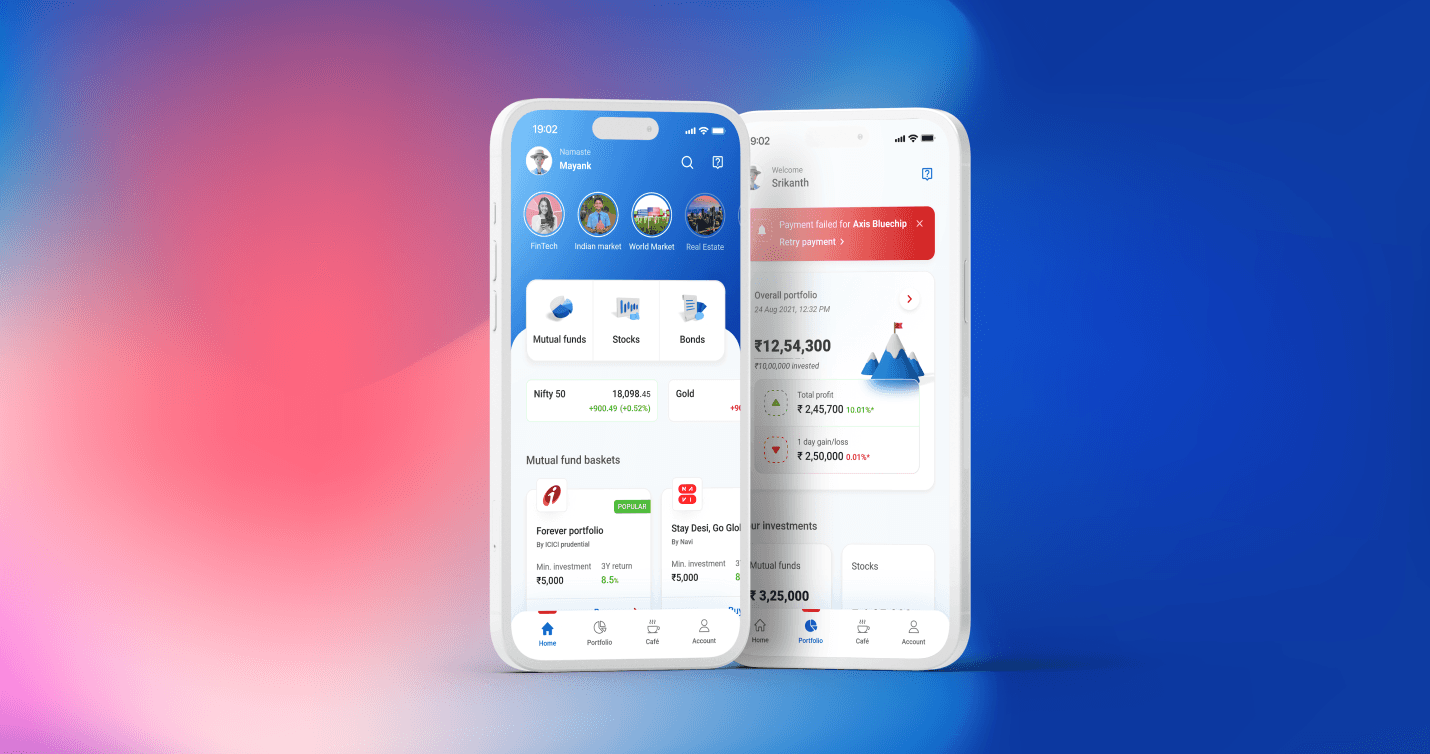
Business Context
Retail investing in India was experiencing rapid growth, with digital-first competitors like Groww and Paytm Money gaining market share through simplified, modern experiences.
Kotak had strong brand credibility but:
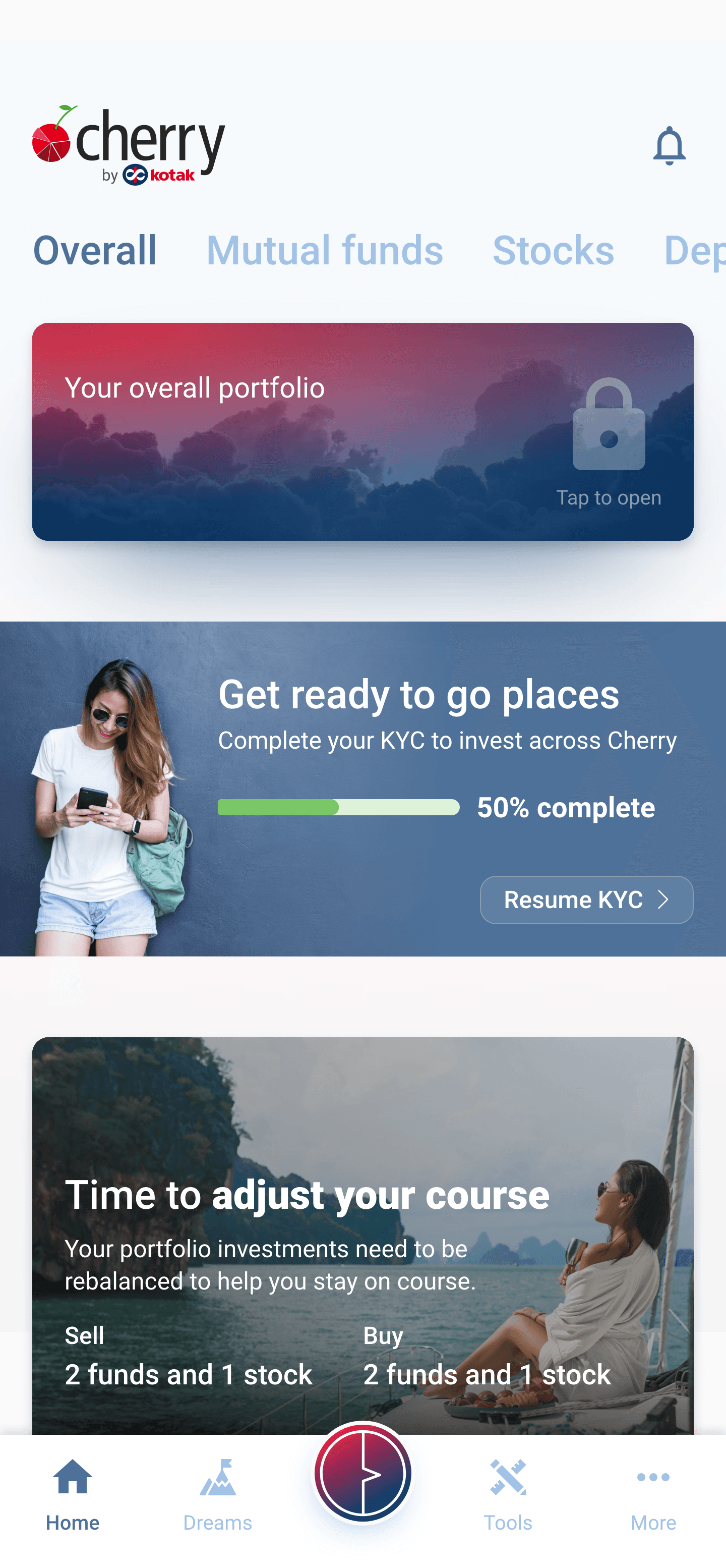
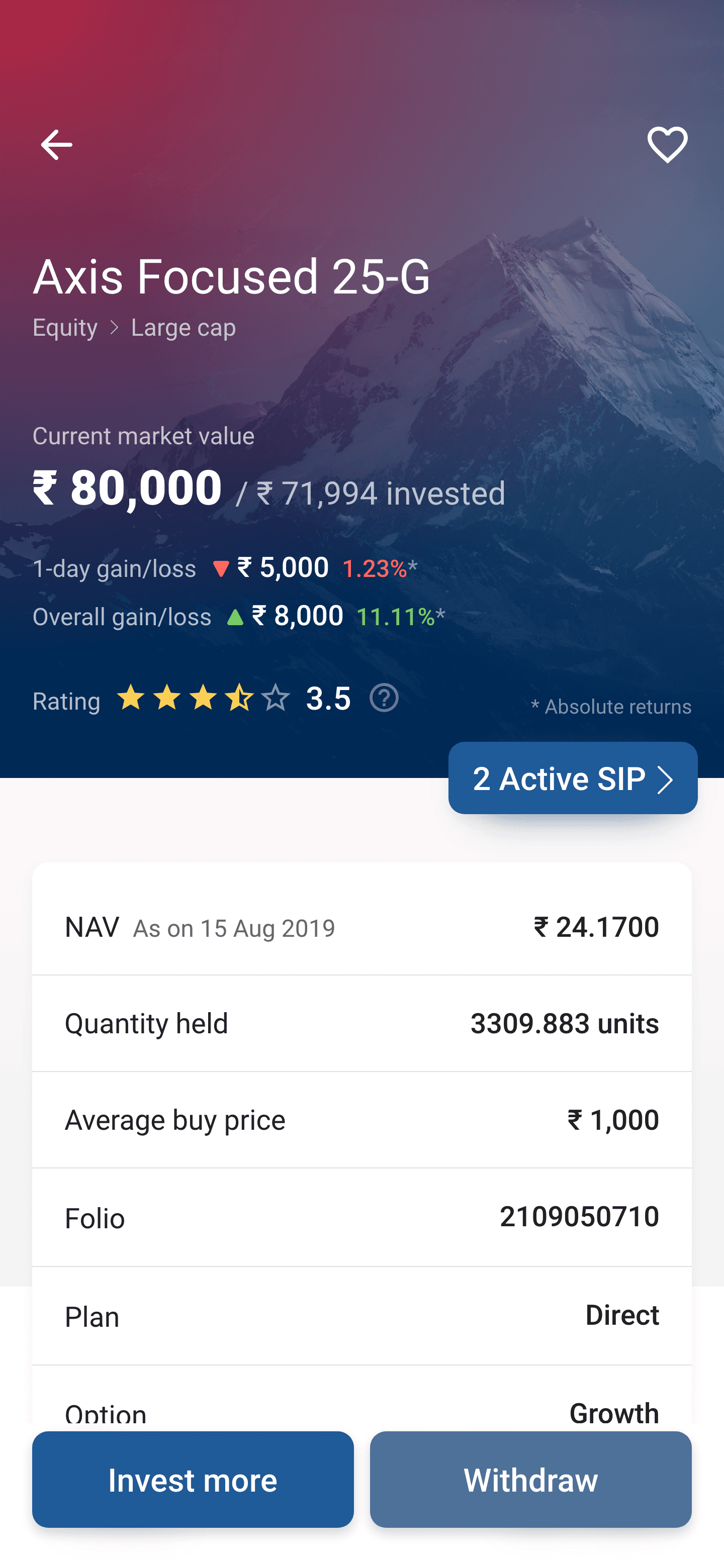
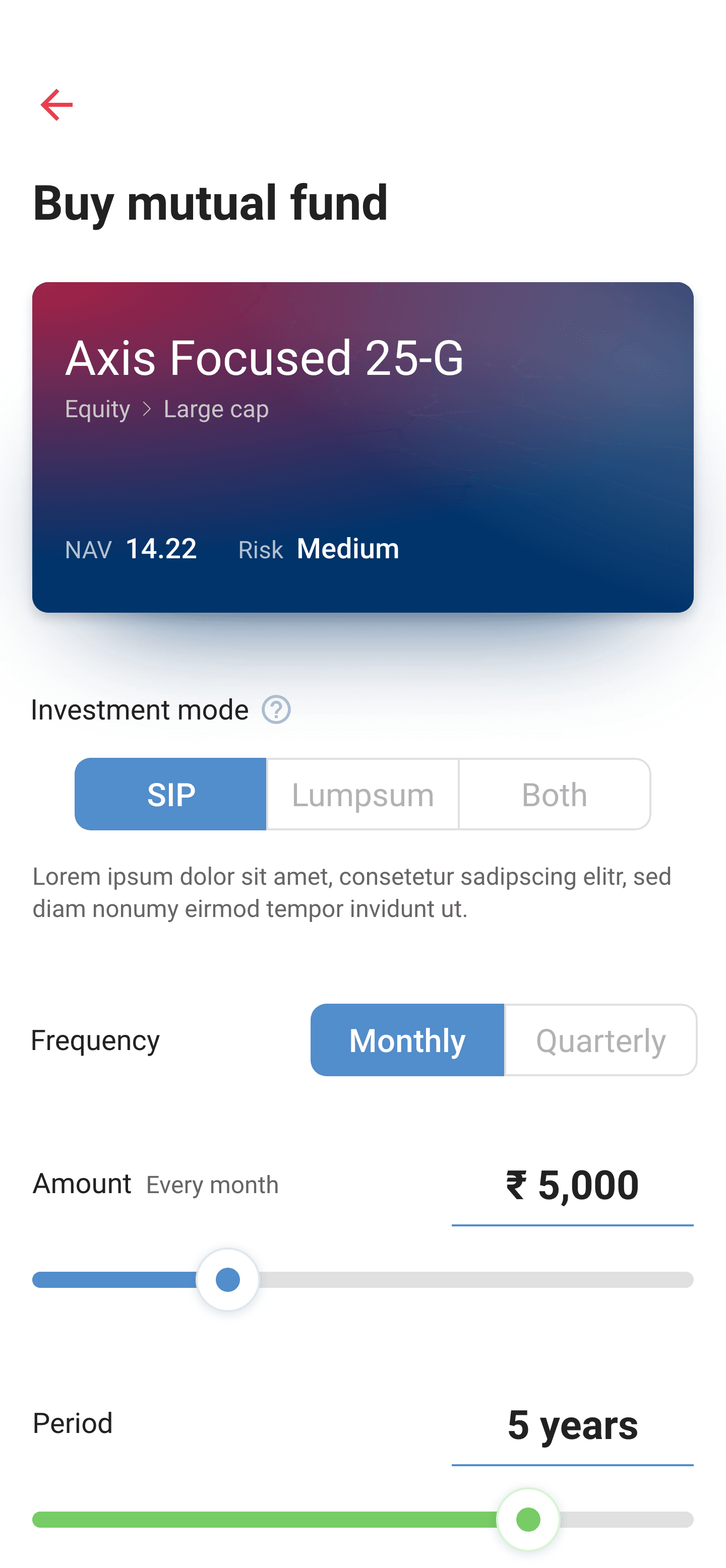
The legacy investment app felt visually outdated
Key journeys (especially SIP onboarding) had high drop-off
The experience did not reflect a digital-first positioning
Recurring investment adoption was underperforming
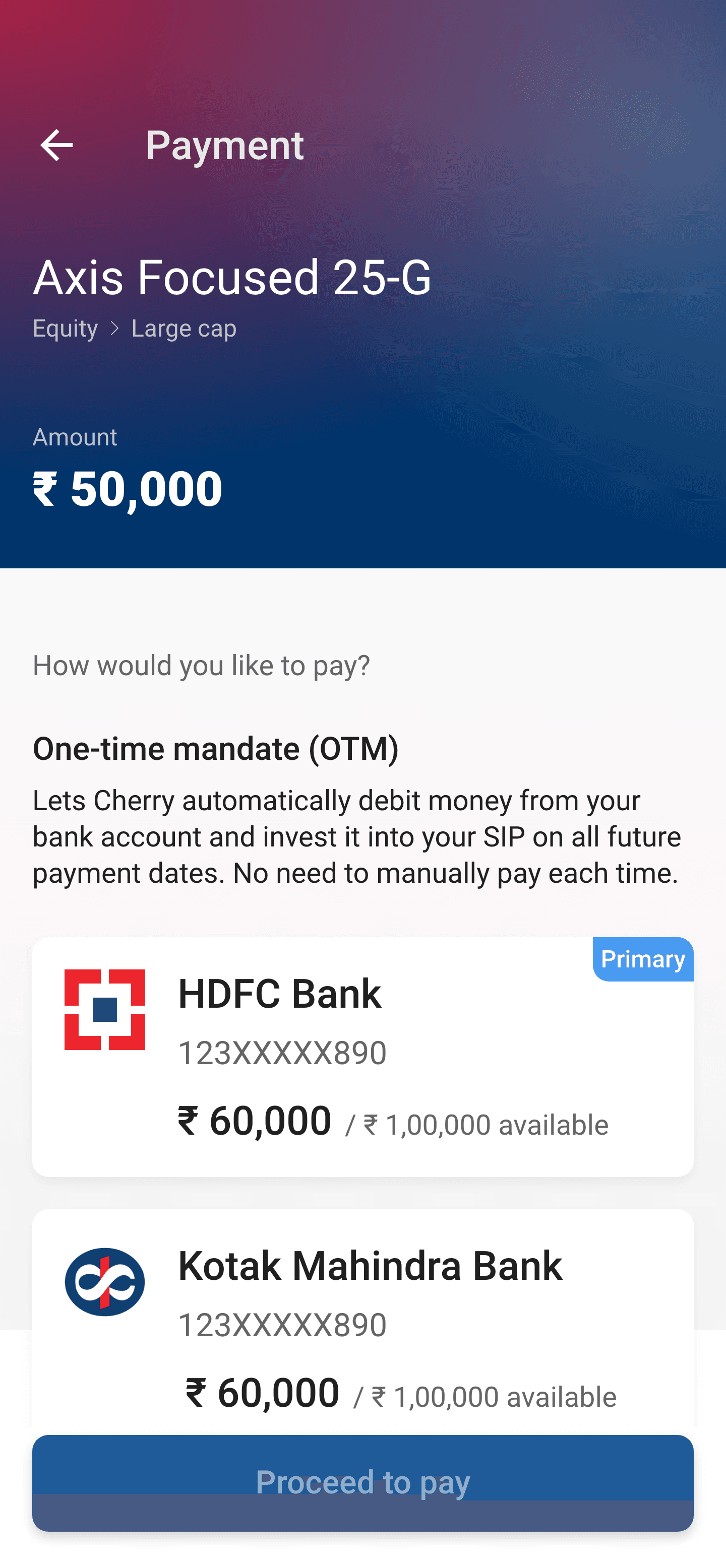
Legacy app screenshots
1.1 Business Objectives
Reposition Kotak Cherry as a modern, trustworthy investment platform
Increase SIP (Systematic Investment Plan) adoption
Reduce onboarding and mandate-stage drop-offs
Improve first-time investor confidence
Drive recurring AUM growth
This rebrand was not cosmetic—it was a strategic growth initiative.
My Role
I led
UX strategy for high-impact investment journeys (SIP, onboarding)
Behavioral research for recurring investments
Competitive benchmarking
Affinity synthesis and journey mapping
Interaction and visual redesign
Cross-functional alignment with product, growth, compliance, and engineering
Usability validation and iteration
Rebranding Strategy
The rebrand focused on three strategic pillars.
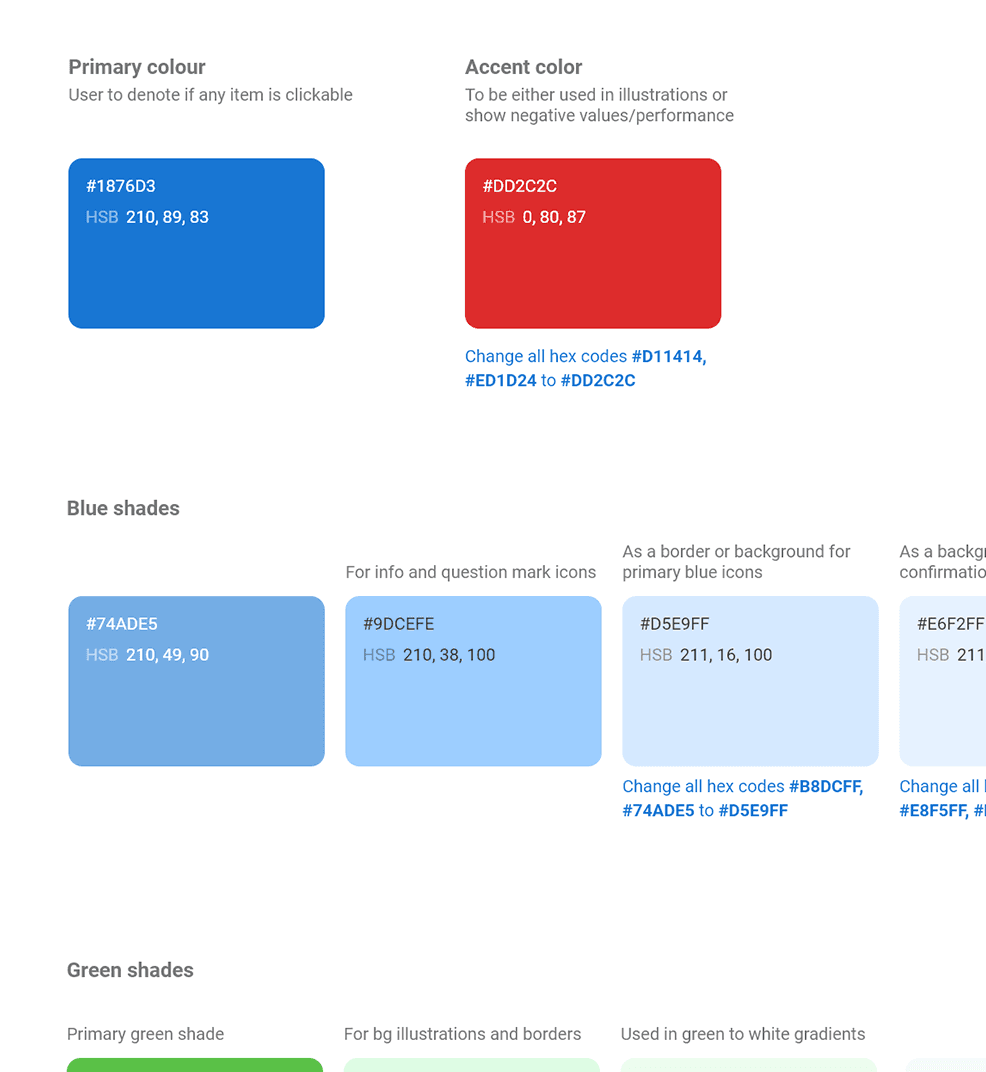
3.1 Trust as a Visual Language
Clean gradient systems balancing modernity with financial credibility
Structured data presentation
Strong visual hierarchy
WCAG-compliant contrast ratios
Calm, purposeful micro-interactions
The goal was premium without intimidation.

3.2 Simplified Decision Architecture
We reduced cognitive overload by:
Introducing card-based fund discovery
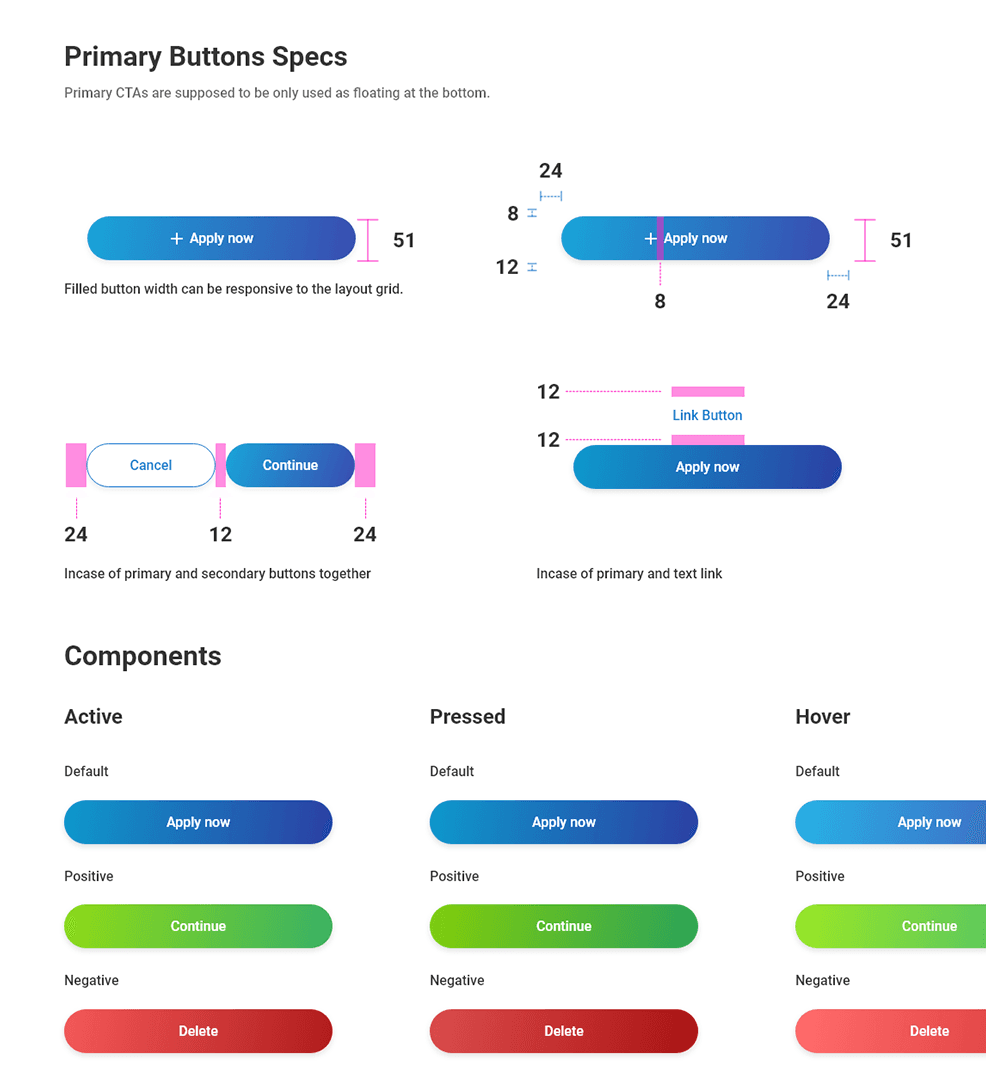
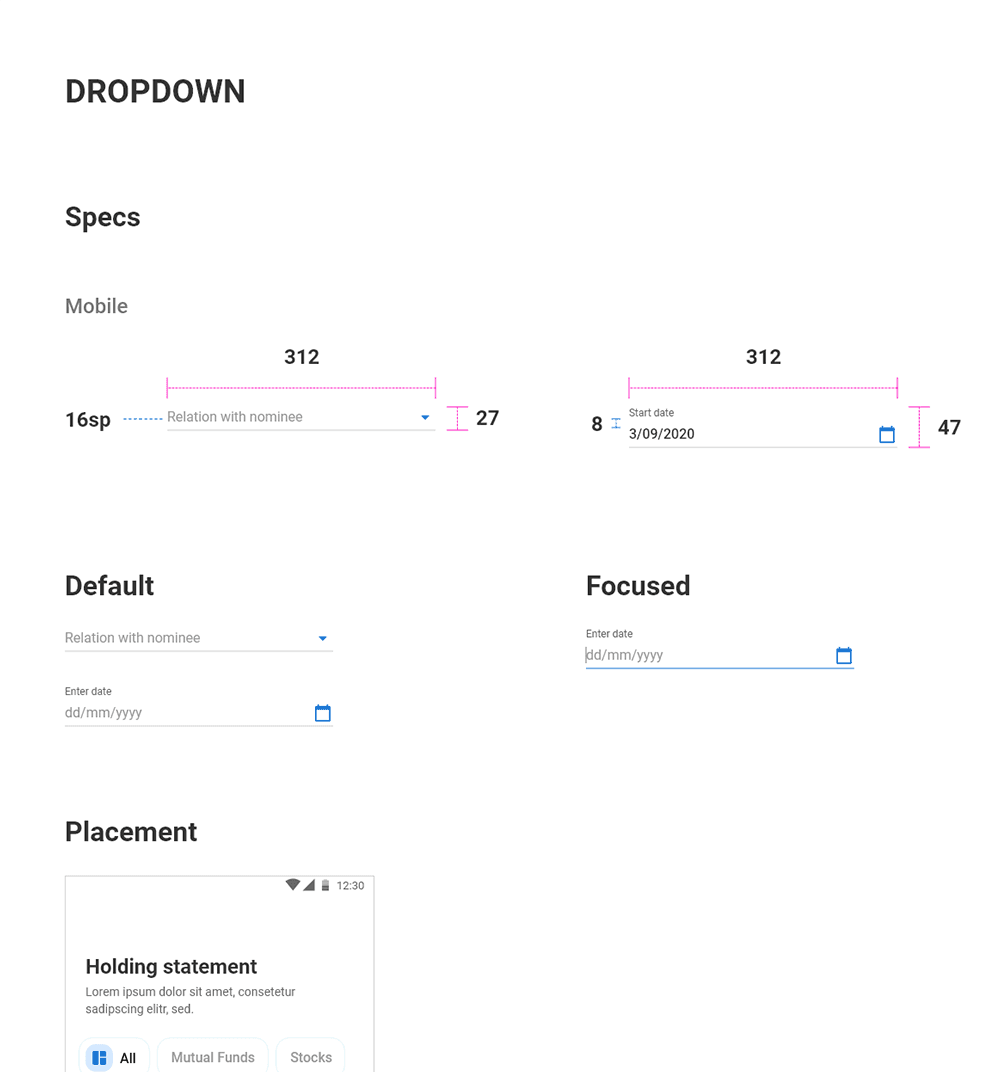
Standardizing typography and spacing
Improving performance metric hierarchy
Creating modular, scalable design components
This improved clarity and reduced decision fatigue.
3.3 Behavioral Confidence in Investing
Research revealed that recurring investment anxiety—not complexity—was the primary barrier.
SIP became the core growth lever within the rebrand.
Research & Discovery
4.1 Methods
Secondary research (RBI mandate rules, SIP trends)
Competitive analysis (Groww, INDmoney, Kuvera, Paytm Money)
8 moderated interviews (age 24–38)
Low-fidelity prototype testing
Journey mapping & affinity clustering
4.2 Competitive Landscape & Opportunity
As part of discovery, I conducted a structured competitive teardown focused on two critical growth journeys:
Customer Registration (KYC + onboarding)
Mutual Fund purchase + SIP activation
Rather than high-level feature comparison, I analyzed:
Which apps automated steps to reduce onboarding friction
How seamlessly SIP setup was integrated within fund purchase
Mandate creation experience (UPI / Netbanking clarity, redirects, status feedback)
Depth and usability of SIP calculators
Fund comparison tools and decision support
4.3 Observations

Ecosystem-driven but comparatively complex navigation and mandate steps.

Optimized for speed. Minimal friction during fund discovery and SIP setup. Limited reassurance layers.

Strong data presentation and portfolio visibility. More information-heavy flows.

Advisory-oriented but dense information architecture.
4.4 Strategic Gap Identified
Most competitors optimized for transactional efficiency. Very few optimized for psychological reassurance during recurring commitment.
SIP is not just a transaction—it is a recurring financial promise.
This insight shaped our positioning:
Kotak Cherry would differentiate by balancing simplicity with confidence-building design.
This directly influenced the introduction of autopay education layers, deduction previews, and visible pause/edit controls.
4.5 Key Behavioral Insight
Users think in this order:
How much will go?
When will it go?
Can I stop it?
Is this safe?
The system was structured around compliance steps. Users were thinking about control and safety.
This mismatch caused abandonment.
Platform-Level Regulatory & Onboarding Constraints
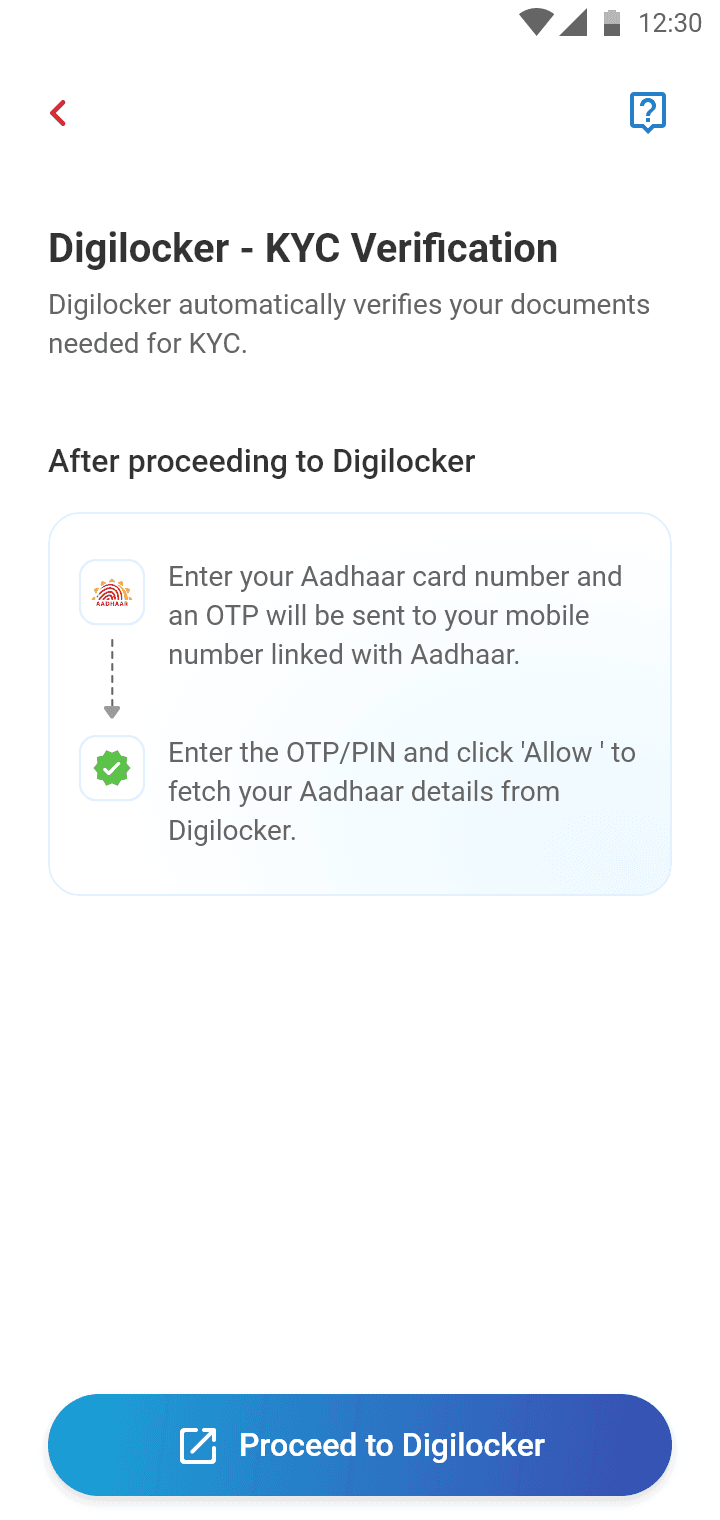
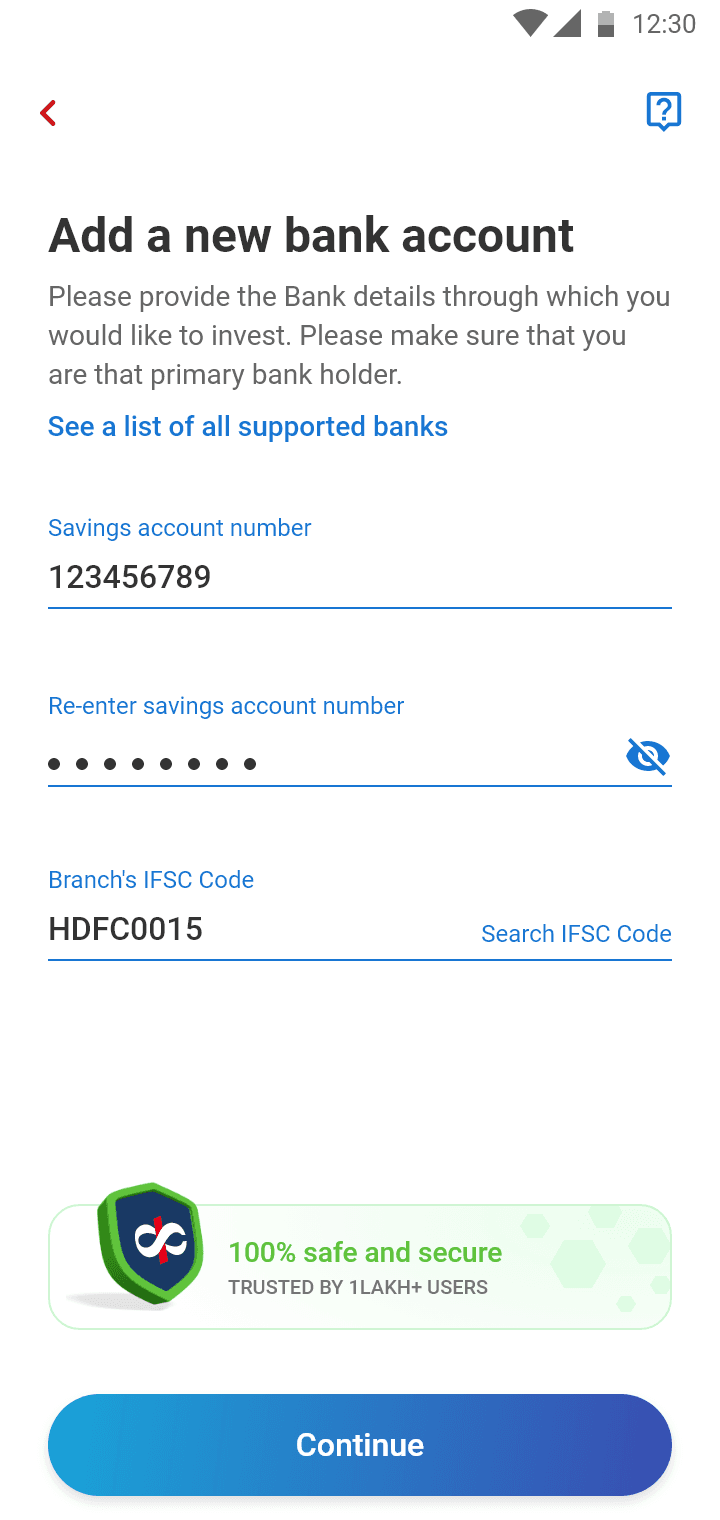
Before optimizing SIP specifically, we addressed broader regulatory and onboarding requirements that impacted all investment actions across the platform.
Regulatory requirements were non-negotiable:
Full KYC verification
Risk profiling questionnaire
Suitability mapping
FATCA declaration
Explicit consent architecture
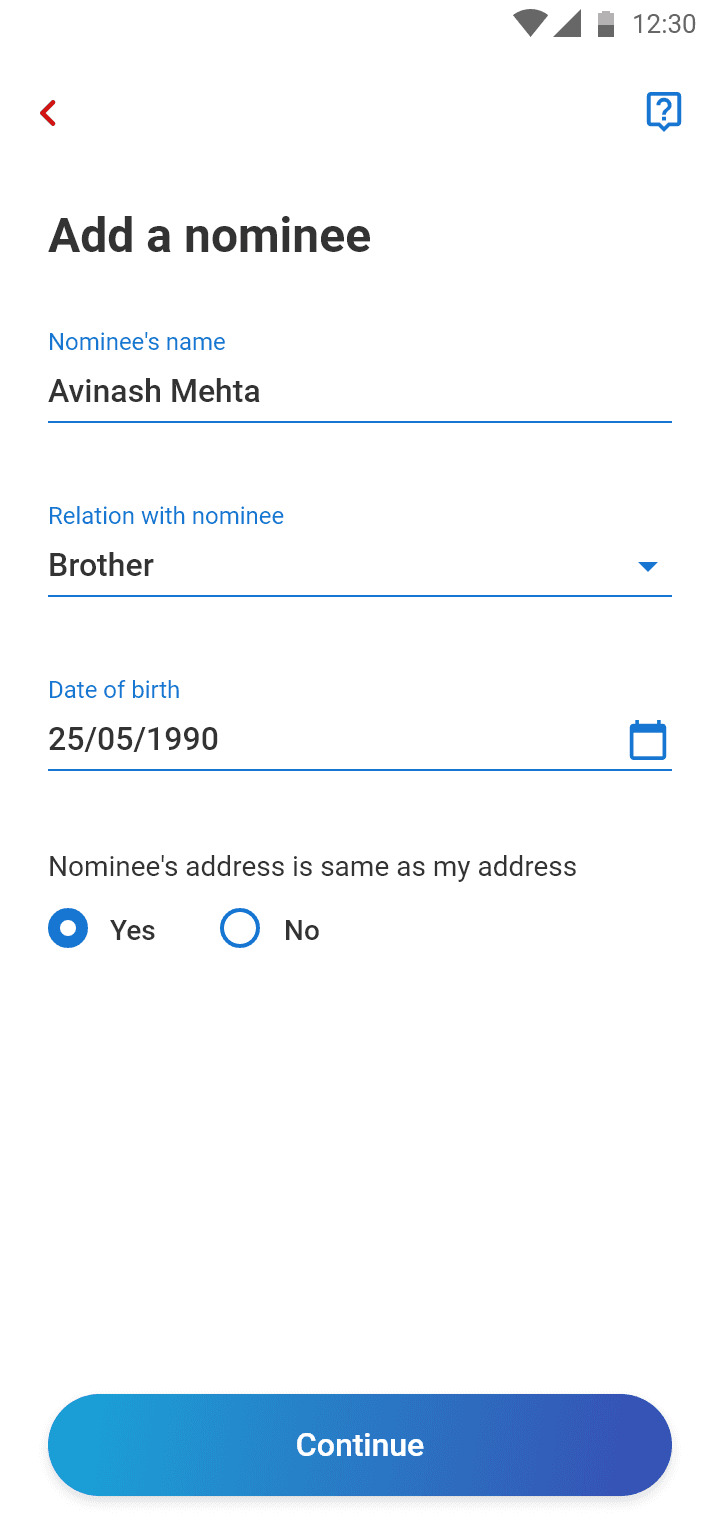
Nominee capture (where mandatory)
Product wanted fewer steps. Compliance required completeness. Users wanted simplicity.
Removing steps was impossible. Reducing perceived effort was possible.
We could not remove regulatory steps. The opportunity was to restructure and sequence them to reduce perceived effort across the platform while protecting conversion.

Deep Dive: Optimizing SIP for Growth
6.1 Baseline Metrics
62% completion rate
High abandonment at autopay mandate stage
Average completion time: ~6.5 minutes
Trust rating: 3.1/5
SIPs directly contribute to predictable recurring revenue. Improving this flow had measurable financial implications.
6.2 SIP-Specific Growth Optimization Strategy
6.2.1 Autopay & Mandate Friction Reduction
Drop-off was highest at the autopay mandate stage. Users perceived automated deductions as loss of control.
To address this, we:
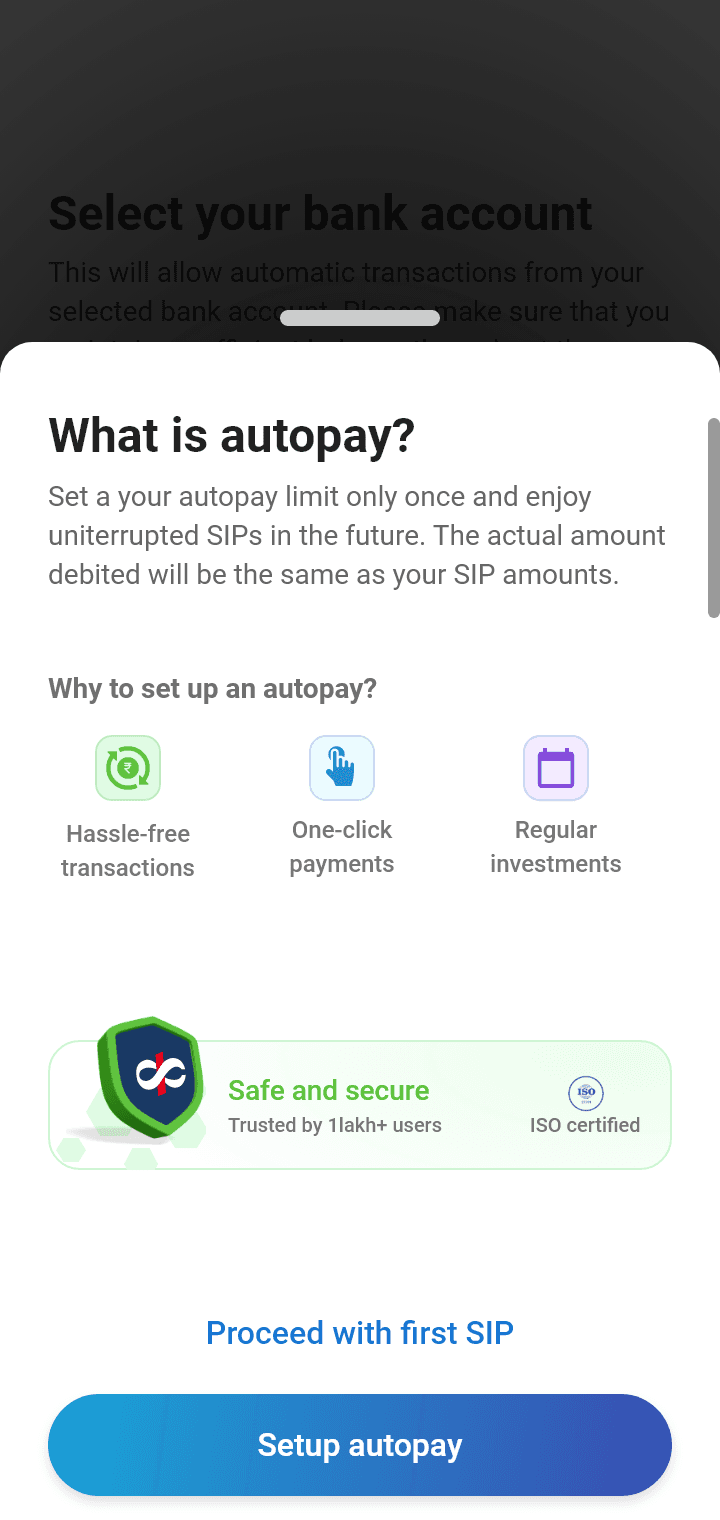
Introduced a dedicated autopay education layer
Made "Pause anytime" and "Modify anytime" explicit
Added clear transition states when redirecting to external mandate flows
This reframed SIP from a permanent commitment to a controllable recurring action.
6.2.2 Behavioral Risk Profiling Within Investment Intent
Responses mapped to backend risk categories. Legal and compliance approved revised wording.
We reframed as:
"How would you react if your investment drops 20%?"
Instead of technical jargon:
"Select your volatility tolerance"
6.2.3 Consent & Commitment Clarity During SIP Activation
Rather than scattered consent interruptions during investment confirmation, we:
Logically grouped disclosures
Used one primary consent with expandable details
Highlighted critical risk disclosures visually
Legal copy remained untouched. Layout reduced perceived burden while preserving regulatory integrity.
6.2.4 Intent-Based Sequencing for Conversion
Users could browse funds before triggering KYC completion.
Investment intent was built before regulatory friction appeared. Transaction gates remained fully compliant.
This improved the quality of users entering the SIP funnel and reduced early abandonment.
6.3 Mandate Flow Architecture & Drop-Off Prevention
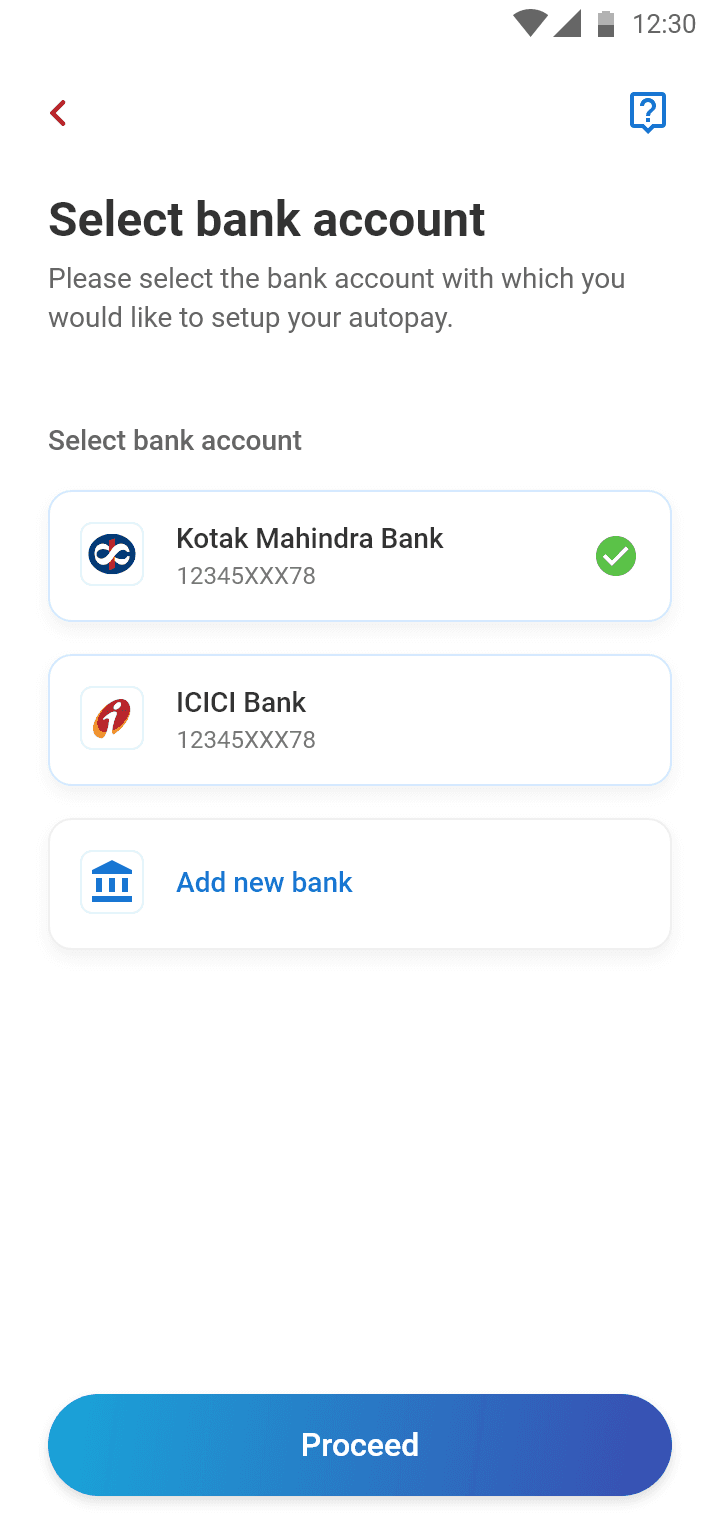
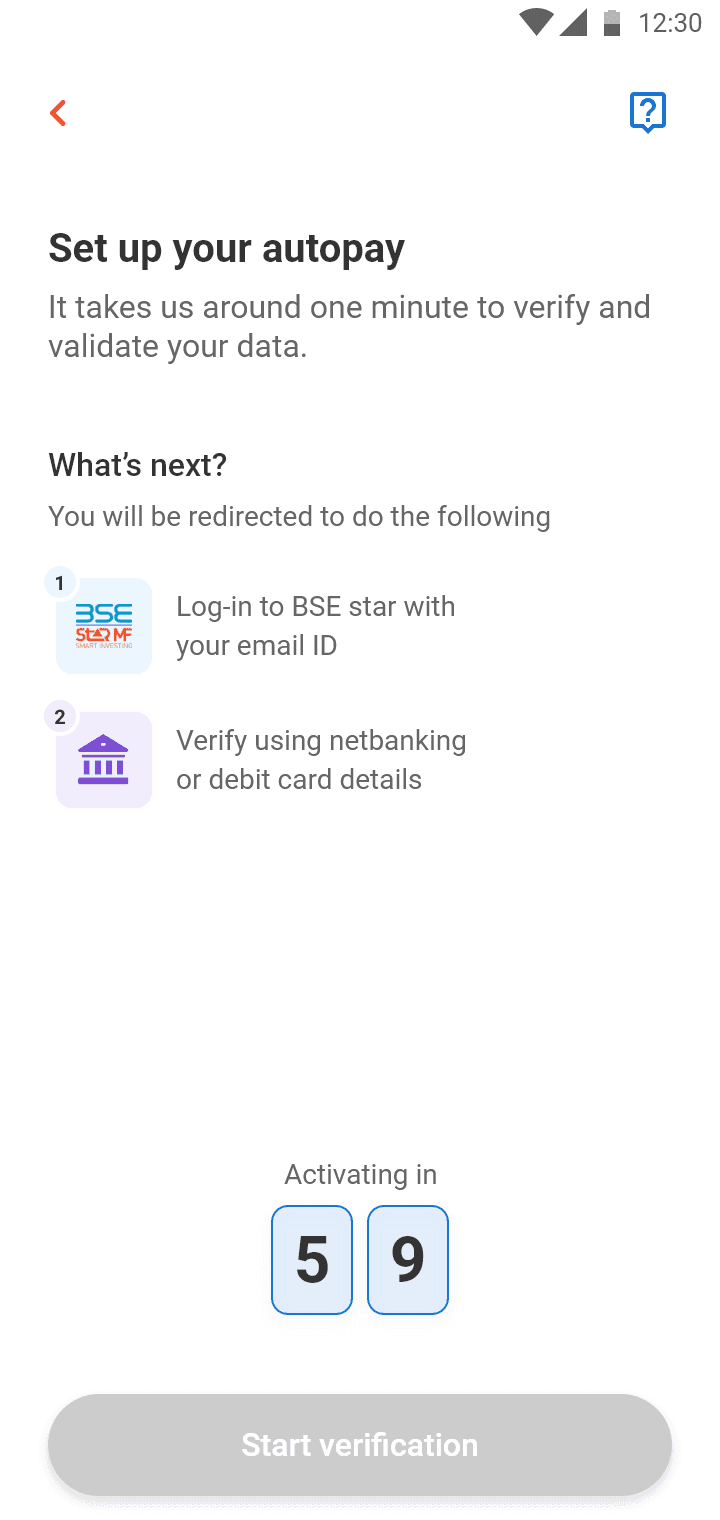
Autopay setup required external verification through BSE Star and netbanking. This introduced a mandatory delay and a high-risk abandonment moment within the SIP funnel.
6.3.1 Key Challenges
Mandatory ~1 minute verification delay (compliance constraint)
External redirection for mandate authentication
Users dropping off mid-verification
Bank selection memory gaps on re-entry
Future mandate limit modification friction
Compliance preserved. Cognitive load reduced.
6.3.2 Design Decisions
6.3.2.1 Exit Rebuttal Layer (Back Navigation Interception)
When users attempted to exit during mandate setup, we introduced an educational rebuttal modal explaining autopay benefits (hassle-free, regular investing, secure). This reduced premature abandonment at a high-intent moment.
6.3.2.2 Conditional Bank Selection Logic
Supported multiple states:
First-time mandate setup
Additional mandate creation
Profile-triggered autopay setup
This ensured scalability without fragmenting the flow.
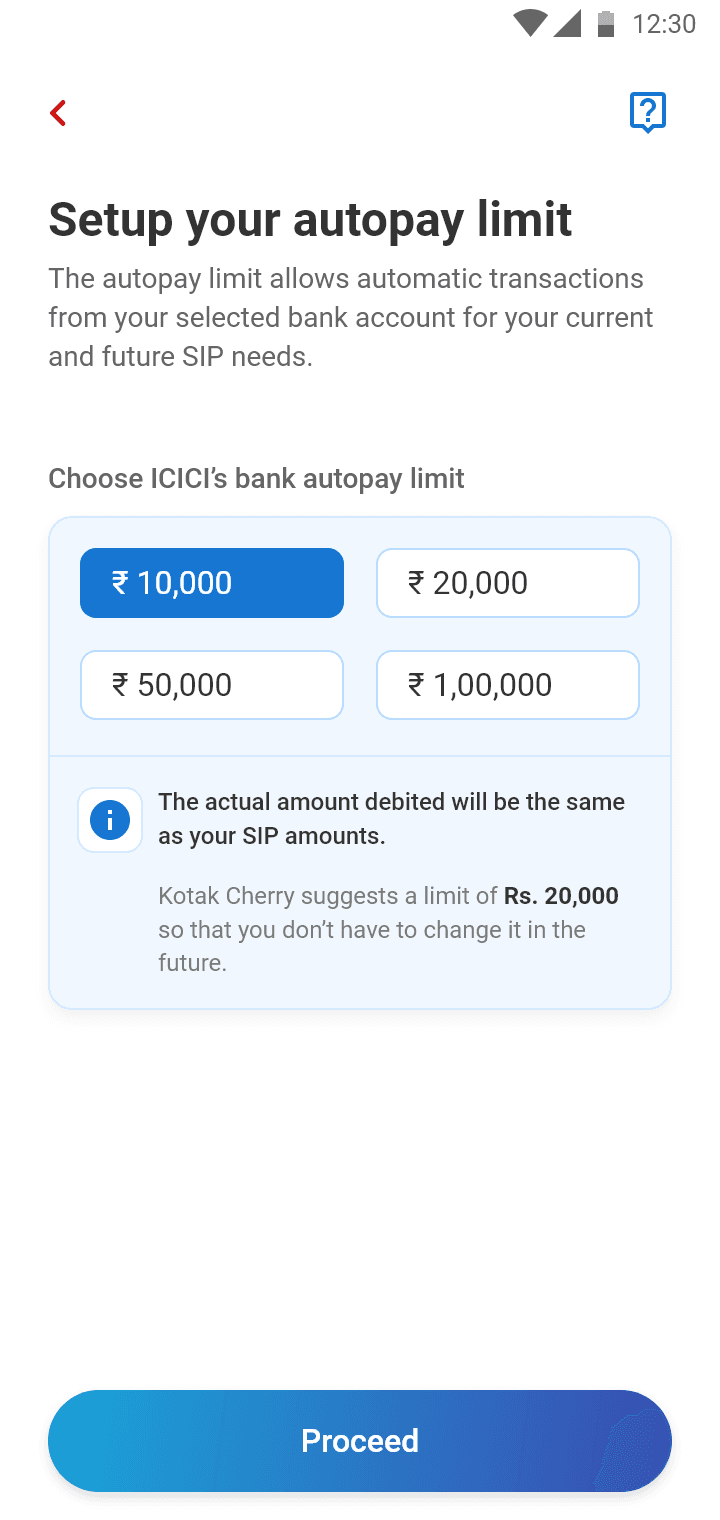
6.3.2.3 Future-Proofed Autopay Limit Design
Encouraged users to select a higher upper limit to prevent repeated authorization cycles when SIP amounts increased later. This reduced long-term compliance friction.
6.3.2.4 Countdown-Based Activation Screen
The mandatory wait time was reframed as a guided activation moment with a visible countdown, nudging users to complete verification immediately rather than postponing.
6.3.2.5 Multi-Session Recovery Handling
If users dropped off and returned later, we surfaced a bank-selection dropdown to resolve ambiguity about previously selected accounts. This handled state persistence and reduced rework.
6.4 SIP Usability Validation
Metric
Before
After
Completion Rate
62%
88%
Avg Completion Time
6.5 min
4 min
Trust Rating
3.1/5
4.3/5
6.5 SIP Business Impact
Increased SIP activation rate
Reduced mandate-stage drop-offs
Higher first-time investor conversion
Increased recurring AUM inflow
SIPs generate predictable recurring revenue. Improving completion created compounding growth impact.
Broader Product Optimization: Dashboard Clarity
While SIP optimization drove recurring revenue, the dashboard remained the highest-traffic screen and the first trust touchpoint after login.
7.1 Usability Findings
Testing revealed:
Users wanted immediate visibility of asset-class performance alongside overall returns
Top-tab navigation fragmented portfolio understanding
The hero card interaction (dropdown arrow) was unclear
Transaction status was not easily visible without deeper navigation
SIPs generate predictable recurring revenue. Improving completion created compounding growth impact.
7.2 Strategic Decision
Instead of incremental UI tweaks, we restructured the dashboard hierarchy:
Removed top-tab navigation and replaced it with contextual portfolio cards
Brought asset-class returns directly below overall portfolio value
Simplified hero card data hierarchy for faster scanning
Clarified transaction status messaging above the fold
Reduced ambiguous affordances
7.3 Outcome
The redesign improved first-impression clarity and reduced navigation friction, reinforcing the platform's trust-first positioning. The dashboard shifted from being informational to being confidence-building.

Stakeholder Leadership & Buy-In
To avoid aesthetic-only debates, I anchored discussions in:
Drop-off analytics
Behavioral research findings
Prototype walkthroughs
Compliance-preserving design proposals
When legal resisted consent restructuring, I demonstrated consent fatigue data and preserved exact legal copy while improving hierarchy.
When growth requested removing nominee capture, I negotiated "Remind me later" where legally permissible.
Alignment achieved across:
Product
Growth
Compliance
Engineering
Key Takeaway
In fintech, speed does not drive adoption, perceived control does.
By reframing onboarding from form completion to confidence building, we improved user trust, increased recurring investments, and contributed directly to revenue growth.